


Why Choose Us
Innovation
We are at the forefront of technological advancements, constantly developing cutting-edge solutions to meet the evolving needs of our clients.
Customization
Our team of experts provides tailored services to address specific challenges, ensuring each solution is unique and perfectly suited to the client's requirements.
Quality Assurance
We adhere to stringent quality control processes to deliver reliable and high-performance products that exceed industry standards.
Experienced Team
Our staff comprises seasoned professionals with extensive experience in technology development, offering deep expertise in a wide array of tech domains.
What is Face Mask?
A face mask is a protective device that covers the mouth and nose to prevent the inhalation of airborne particles and contaminants. It serves as a barrier to help reduce the spread of respiratory droplets when an individual speaks, coughs, or sneezes. Face masks are widely used in various settings, including healthcare facilities, industrial workplaces, and during public health emergencies, such as pandemics.
-
![3 Ply Earloop Antivirus Medical Face Mask]() 3 Ply Earloop Antivirus Medical Face Mask3 Ply Earloop Antivirus Medical Face Mask help to limit the spread of germs and virus. When someone talks, coughs, or sneezes they may release tiny drops into the air. Features There are 3 sizes forread more
3 Ply Earloop Antivirus Medical Face Mask3 Ply Earloop Antivirus Medical Face Mask help to limit the spread of germs and virus. When someone talks, coughs, or sneezes they may release tiny drops into the air. Features There are 3 sizes forread more -
![CE Disposable Surgical Mask]() CE Disposable Surgical MaskCE Disposable Surgical Mask can prevent resipiratory tract infection. The disposable surgical mask is made of 3 layers of breathable nonwoven fabrics, the most important meltblown filter in theread more
CE Disposable Surgical MaskCE Disposable Surgical Mask can prevent resipiratory tract infection. The disposable surgical mask is made of 3 layers of breathable nonwoven fabrics, the most important meltblown filter in theread more


Different Types Of Face Masks & Their Uses
Disposable Face Masks
Disposable face masks are typically made from non-woven fabric, and are designed to be used once and then discarded. They come in various shapes and sizes and are often secured to the face with ear loops or ties. These masks are typically lightweight and easy to use, making them a popular choice for those looking for a quick and easy solution.
Reusable Face Masks
Reusable face masks are designed to be washed and reused, making them a more sustainable option than disposable face masks. They are typically made from cotton or other fabrics and come in a variety of colors and designs. Reusable face masks such as the AMR01 Reusable Face Mask from Aero is a popular choice with soft ear loops for comfortable and secure fit. Reusable face masks are often secured to the face with ear loops or ties, and some come with filters that can be replaced.
Download your First Aid Guide FREE
Surgical Face Masks
Surgical face masks are typically used in healthcare settings and are designed to protect healthcare workers and patients from infectious diseases. They are made from non-woven fabric and are typically secured to the face with ear loops or ties. Surgical face masks are designed to filter out large particles in the air, such as droplets, and are not designed to protect against small particles like viruses.
Cloth Face Masks
Cloth face masks are similar to reusable face masks, but are typically made from a more lightweight and breathable material. They are often secured to the face with ear loops or ties, and come in a variety of colours and designs. Cloth face masks are a popular choice for those looking for a comfortable and sustainable option.
N95/P2 Masks
N95 masks (or the P2 mask by Australia standards), are designed to filter out at least 95% (94% for the P2 standard) of airborne particles, including large and small particles. They are typically used in healthcare settings and are designed to protect healthcare workers from infectious diseases. N95 and P2 masks are made from non-woven fabric and are designed to fit tightly to the face to create a seal that prevents air from leaking around the edges of the mask.
Children’s Face Masks
Children’s face masks are designed specifically for children and are available in various designs and patterns. They are made of lightweight materials and are comfortable to wear for extended periods. These masks provide basic protection and are recommended for use in low-risk situations.
Respirators
Respirators are designed to protect the wearer from inhaling small particles, including viruses. They are typically used in healthcare settings and are designed to fit tightly to the face to create a seal that prevents air from leaking around the edges of the mask. Respirators are available in various sizes and shapes, and typically use replaceable filters to remove particles from the air.
Clean your hands. Before putting on your face mask, wash your hands or clean them with sanitizer.
Grab the mask by the ear strings. The cloth part of your mask is the part that would come in direct contact with the virus particles, so you should handle your mask by the ear strings. This also applies when taking off your mask.
Cover your mouth, nose and chin with the mask. Only covering your mouth with a face mask does not completely protect you from spreading or becoming infected with COVID-19, because droplets infected with the virus can settle in your mouth and nose. “Most droplets come out of your mouth when speaking, but droplets can come out of your nose, too while breathing. That’s why people should cover their nose and their mouth,” Dr. Graham said.
Check for gaps. A properly sized face mask will have minimal gaps under the chin and at the sides. Noticeable gaps between your skin and the mask can allow infected droplets to slip in and out.
When removing your face mask, repeat steps 1 and 2. You wear your mask to protect yourself from harmful germs. Not taking proper precaution when removing your face mask could actually undo all that work that your mask did for you.
Fold the outside corners together. This keeps any infected particles on the outside of your mask from spreading throughout your home, car or wherever you take off your mask.
Benefits of Wearing a Mask
Wearing a mask can protect your respiratory system and general health when there is bad air quality because of pollutants.Categories of bad air quality range from moderate to hazardous on the Air Quality Index (AQI).
Especially if you have pollen allergies, wearing a mask could decrease allergen exposure.A mask that covers your mask and nose can help filter out pollen or irritants. Masks also change the moisture and temperature level of the air you breathe in, further reducing allergy symptoms.
Infectious diseases can spread from exposure to the droplets containing the germs that cause the diseases. Masks keep you from becoming sick by blocking droplets from actions like breathing, coughing, sneezing, or talking.
Masks protect individuals who are immunocompromised by reducing or preventing their exposure to germs that can make them very sick. These individuals have immune systems that do not work properly.
Just like masks may prevent you from getting sick, they can also prevent you from spreading germs if you're already ill. Wearing a mask decreases the likelihood that you'll exhale and spread germs into the surrounding air.
Material of Face Mask
Non-woven fabric (Non – woven fabric)
Nonwoven fabrics are the first essential ingredient. This fabric is made up of synthetic resin particles and bound together by adhesives, using the thermal effects of modern machines or solvents to bond, link separate fibers together without the need weave.
Antibacterial filter cloth
Antimicrobial filter cloth is used as the middle liner, has the function of filtering all kinds of dust smooth. According to information from experts, the ability to filter dust and bacteria of this fabric up to 99%. Therefore, it is possible to effectively prevent respiratory diseases.
Nose splint
Zinc splint has the effect of shaping and helping the mask snugly, conceal the user’s face, limiting the skin’s contact with the outside environment. When using, users just need to gently squeeze the splint around the nose.
Strap
With the effect of fixing the mask on the user’s face, the strap is an indispensable raw material to produce medical masks. The two materials used to make the strap are Cotton and Spandex because they have good elasticity, do not hurt the ears when worn for a long time.
Water-Resistant Layers
Some masks may include a water-resistant layer to repel liquids and prevent the penetration of larger droplets. This layer is often made from hydrophobic materials, which are treated to resist the adhesion of water molecules.
Elastomeric Materials
Elastomeric face masks are reusable respirators made from synthetic polymers like rubber or silicone. They have replaceable filters made from various materials, such as non-woven fabrics or specialized filter media, which can capture particles and provide a high level of protection.
Precaution of Face Mask
Masks should be cleaned and disinfected every day. Whether they are gauze masks or air filter masks, they can be disinfected by heating. The specific steps are:
Clean
First, gently rub the gauze mask with warm water and soap. The bowl-shaped mask can be gently brushed with a soft brush dipped in detergent, and then washed with clean water. Please be careful not to rub hard, because if the gap between the warp and weft of the gauze is too large, it will lose its ability to prevent droplets.
Disinfection
Soak the cleaned mask in 2% peracetic acid solution for 30 minutes, boil it in boiling water for 20 minutes, or steam it in a steamer for 15 minutes, then dry it for later use. This method is suitable for gauze masks and bowl-shaped masks.
Check
Before using them again, you should carefully check whether the masks and face shields are still in good condition. You can use the light transmission inspection method for gauze masks and face shields, that is, hold them in front of a lamp and look at them to see if there are any obvious light spots, and whether the middle part and the edge part are transparent. Is the light transmittance consistent? If there is a partial light transmittance that is inconsistent, replace it with a new one. No matter what, face shields and masks generally need to be updated after cleaning 3 to 7 times, and masks of particularly good quality can be cleaned 10 times. Activated carbon adsorption masks should pay attention to regular replacement of the activated carbon interlayer. If the activated carbon interlayer is not replaceable, it must be replaced after 7 to 14 days of use. This kind of mask cannot be cleaned and reused.

After more than half a year of fighting the epidemic, people have reached a consensus on the importance of wearing masks. Not only that, with the frequent appearance of masks in our daily lives, many people have discovered more benefits of wearing masks.
Respiratory infectious diseases include common cold, influenza, pneumonia, tuberculosis, etc. The main route of transmission of these diseases is through droplets. For example, when you talk loudly, sneeze, cough or spit, some pathogens will escape into the air and be transmitted to others through droplets. The current novel coronavirus is a highly contagious pathogen. Of course, other viruses and bacteria should not be ignored. Wearing masks can play a very good respiratory preventive role and isolate the germs.
Allergic diseases include allergic rhinitis, allergic dermatitis, allergic asthma, etc. In our lives, we often come into contact with some allergens, such as pollen, dust, animal fur, etc. When these substances come into contact with the facial and nasal mucosa, they will cause mucosal hyperplasia, congestion and edema, leading to symptoms such as nasal congestion, sneezing, runny nose, skin itching, and in severe cases, anaphylactic shock. If we wear masks, we can effectively reduce exposure to allergens and thus prevent allergic diseases.
Hyperventilation syndrome Hyperventilation refers to the respiratory rate being too fast and the depth of breathing being too strong, which causes the carbon dioxide in the body to be excreted excessively, resulting in a decrease in the concentration of carbon dioxide in the body. Patients present with respiratory alkalosis, numbness on the face and around the mouth, and twitching at the end of the fingers. This condition is generally related to psychological factors, mood swings, fever, etc. For patients with hyperventilation, they can be given breathing masks or masks to reduce the emission of carbon dioxide and promote rebreathing of carbon dioxide, and the patient's symptoms will gradually improve.
Anti-smog: There are more and more respiratory diseases now, which may be closely related to air pollution, so anti-smog is also very important. There are many toxic substances in smog that can cause great harm to the human body, affecting the respiratory system, cardiovascular system, nervous system, etc. Wearing a mask correctly can effectively prevent pollutants from entering the respiratory tract and isolate toxic and harmful substances. Therefore, it is necessary to wear a mask when going out in hazy days.
Preventing "second-hand smoke" We may encounter the harassment of "second-hand smoke" on some occasions, and wearing a mask can prevent "second-hand smoke" to a certain extent, especially a good-quality activated carbon mask. This kind of mask can absorb and filter part of the smoke and harmful substances such as nicotine and tar, which can reduce harm to the body to a certain extent. Moreover, wearing a mask can also reduce the damage to the respiratory tract caused by dust and irritating gases, which can be said to have many benefits.
Certifications

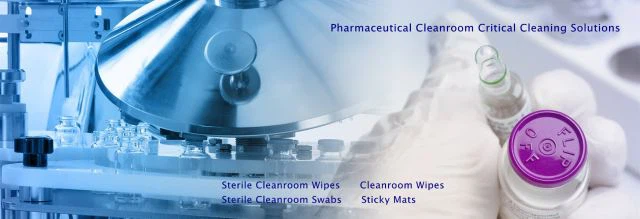
Manufacture and export of sterile cleanroom wipes,pre-saturate cleanroom wipes,cleanroom wipes,anti-static cleanroom wipes,cleanroom swabs, cleanroom paper, sticky mat, sticky roller, cleanroom notebooks, anti-static cleanroom garments, antistatic packaging bags, pharmaceutical sterilized consumable and many more. These products are widely applied in the biologics, pharmaceutical, microelectronics,semiconductor,precision optics,precise instruments, aerospace, automobile, electronic, photovoltaic and other related industries.
FAQ
Q: What is Face Mask?
Q: What is a simple definition of face mask?
Q:Why do I need a face mask?
Q: Does wearing a mask help with allergies?
Q: Does wearing a mask help with stuffy nose?
Q: Do masks protect from sneezing?
Q: Do masks block pollen?
Q: Why do masks make my face itchy?
Q: Do face masks expire?
Q: Do masks have fiberglass?
Q: What is the breathable material for face masks?
Q: What is the best fabric for face masks?
Q: What is the most comfortable fabric for a face mask?
Q: What mask protects from bleach?
Q: Should you wear a mask while cleaning the bathroom?
Q: Why do surgeons wear masks?
Q: Why do dentists wear masks?
Q:What is the best medical mask?
Q: What to look for when buying a mask?
Q: What is the safest surgical mask?
Smartet Technology Development Co., Ltd. is known as one of the most professional face mask manufacturers and suppliers in China. Feel free to wholesale quality face mask in stock here from our factory. We also support customized service, welcome to check quotation with us.
cleanroom circular head swab, entegris single wafer shippers, foam swab for semiconductors